
Car‑Free Weekends in the UK’s National Parks, Joyfully Designed for Families

Set your sights on family‑friendly UK National Park weekends reached entirely by public transport, swapping traffic for stories, window views, and stress‑free arrivals. We’ll show you how trains and buses unlock easy adventures, from pony‑spotted glades to lakefront picnics, while saving money, reducing emissions, and keeping little travelers curious, comfortable, and engaged from the very first platform announcement to the final hot chocolate.

Pick a Park with Effortless Connections

Start with places where rails and buses dovetail neatly: Brockenhurst for the New Forest, Windermere for the Lake District, Aviemore for the Cairngorms, Lewes for the South Downs, and Abergavenny for Bannau Brycheiniog. Check timetables on Friday night, screenshot return options, and note visitor centre hours. Prioritise short transfers, frequent services, and stops close to gentle trails so restless legs can stretch quickly and smiles appear before the snack box opens.

Smart Savings for Parents and Kids

Cut costs with a Family & Friends Railcard, off‑peak returns, GroupSave on some operators, and advance tickets when your timing is firm. Reserve seats if available, aim for table bays, and pack quiet activities. Many routes welcome buggies, and station lifts help enormously. Remember PlusBike guidance if bringing cycles, and consider splitting journeys for better fares. Savings stack quickly, freeing budget for ice creams, postcards, and an impromptu paddle‑boat when the sun cooperates.

Bridging the Last Mile Smoothly

Identify dedicated park buses, seasonal shuttles, and taxi ranks near key stations. In the Lake District, frequent services link Windermere with Ambleside and Grasmere; in the New Forest, local buses criss‑cross villages and heathland. Ask drivers about nearest family‑friendly stops and pram space. Screenshot bus maps, favourite stop names, and return frequencies. If energy dips, adjust plans toward loop walks starting right from the stop, keeping adventures simple and spirits high.

Weekend Blueprints for Different Ages

Match pace and playfulness to your children’s stage. Tiny adventurers need short trails, frequent snacks, and grassy pauses; school‑age explorers crave stories, mini‑challenges, and wildlife spotting; teens want independence, views, and just‑enough adrenaline. These sample blueprints mix reliable transport links, short transfers, and flexible back‑up options. Use them as springboards, shaping timings around naps, attention spans, and the delightful unpredictability that makes shared discoveries so memorably yours.

Pack Light, Keep Smiles Bright

Travel days shine when bags are manageable and essentials stay within reach. Choose layers that dry quickly, compact waterproofs, and shoes ready for puddles. Prioritise snacks that resist squashing, simple first‑aid, and a tiny repair kit. Entertainment matters: pencils, postcards, audiobooks, and a magnifying glass transform stations into discovery zones. Every item earns its place by preventing meltdowns, smoothing delays, and turning ordinary moments into tiny, treasured stories.

Carry Comfortably, Layer Wisely

Opt for a single backpack and a small day sling rather than multiple dangling totes. Pack merino layers, thin gloves, and spare socks, because comfort rescues enthusiasm when drizzle surprises you between stops. A compact rain cover shields the buggy, while a lightweight blanket becomes picnic rug, superhero cape, or emergency warm‑up. Keep sun cream, plasters, and tissues in the quickest pocket, because tiny problems solved quickly keep adventures joyfully rolling.

Picnic Tactics that Survive Trains and Trails

Choose sturdy containers, wrap sandwiches in beeswax to prevent sogginess, and separate crunchy from juicy. Hydration bladders or collapsible bottles save space. A small thermos turns platforms into cocoa cafés. Snack pacing matters: little surprises every hour maintain morale. Bring a microfiber cloth and compostable bags for clean‑ups, respecting carriage tidiness. Sharing duties—one packer, one recycler, one crumb‑spotter—turns mealtime into a cheerful mission instead of a precarious balancing act.

Rain Plans That Still Feel Like Play

Weather wobbles need not cancel joy. Mark alternative indoor stops near stations: visitor centres, heritage rail exhibits, small museums, or swimming pools. Pack a deck of cards, nature bingo, and a pocket field guide for café corners. Choose loop paths with early exit points and bus stops along the way. Celebrate puddle‑jumping with dry socks afterward, and model resilience that teaches children adventures can adapt without losing their sparkle.

Wildlife Encounters You Can Reach by Rail and Bus

Gentle, responsible encounters inspire lifelong care for wild places. Plan moments that feel magical yet safe, close to frequent services and well‑signed paths. From ponies grazing heathland edges to ospreys circling over quiet water, unforgettable scenes await families who slow down, watch patiently, and follow respectful guidelines. Small binoculars, whispered voices, and mindful distances help youngsters feel part of the landscape’s rhythm without ever disturbing its daily work.

Kind to Places, Kind to People

Traveling car‑free is already a gift to landscapes, but families can deepen that kindness with simple habits. Pack out every crumb, keep voices gentle near wildlife, and support small businesses beside stations. Choose accessible paths, share seats when services fill, and thank drivers who make detours understandable. These courtesies accumulate into a legacy your children will recognize, long after souvenirs fade and boots grow too small for next spring’s adventures.

Leave No Trace for Small Hands

Introduce easy rituals: snack over a groundsheet, double‑check for micro‑litter, and admire creatures without touching nests or flowers. Teach kids to step on durable surfaces and pause when paths feel muddy. Fold in a mini litter‑pick with gloves, modeling quiet stewardship. Share why sticks, cones, and feathers belong here, not at home. Returning tidy trails ensures tomorrow’s families discover the same delicate magic waiting patiently beneath open skies.

Supporting Communities You Visit

Spend where your train stops: bakeries, bookshops, farm cafés, and gear repairs near the station. Ask staff for local bus tips and hidden‑gem playgrounds. Respect closing times and queue etiquette. Choose seasonal produce, refill water bottles instead of buying plastic, and praise great service aloud. These small gestures turn fleeting visits into reciprocal relationships, keeping rural routes viable and community hearts beating warmly when the last evening service rolls out.

Stories from the Rails and Your Next Steps
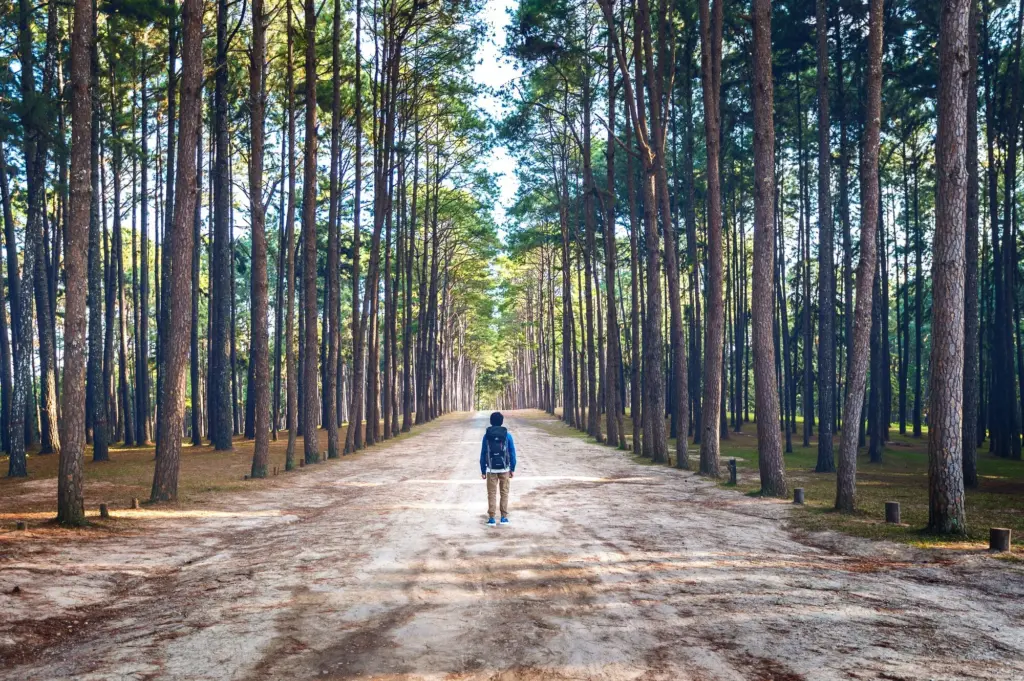
Real families shape these ideas into lived memories: a sunrise train, a fortunate bus arriving just as rain began, a spontaneous detour to a bakery that became tradition. Use their momentum to plan your own gentle epic. Save timetables, pack lightly, invite curiosity, and share back, because a thriving, car‑free network depends on collective wisdom and encouragement traveling farther than any single itinerary possibly could.